The first step, denaturation is when the dna is heated to. A structural change in an enzyme that results in a loss (usually permanent) of its biological properties the substrate joining at the enzyme's.

File:q10 Graph C.svg - Wikimedia Commons
As such, the enzyme has altered function.
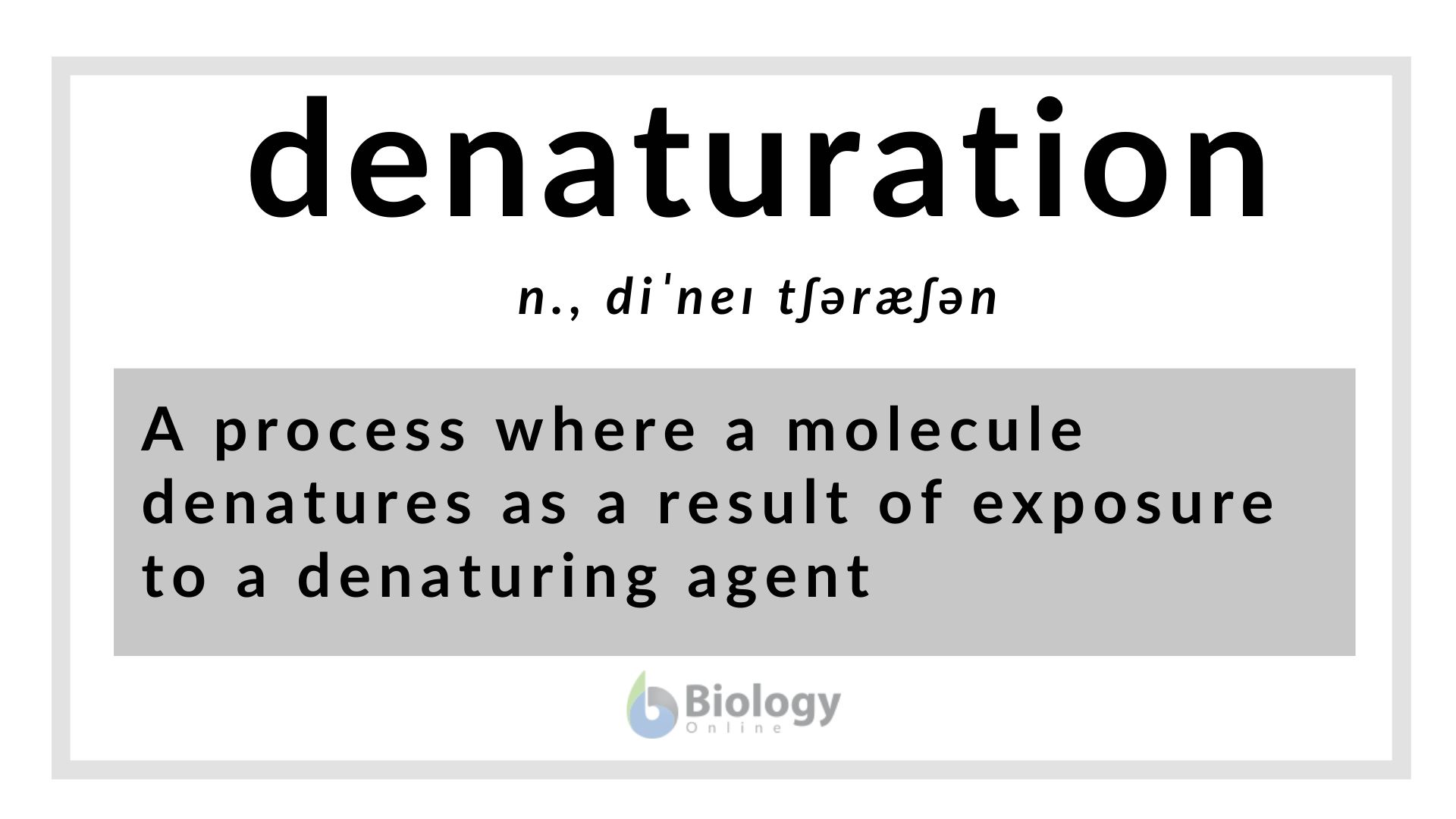
Define enzyme denaturation. In biochemistry, denaturation is a process in which proteins or nucleic acids lose the quaternary structure, tertiary structure, and secondary structure which is present in. In thermodynamic terms, the intrinsic stability of an enzyme is governed by the difference in the free energies of the native and the denatured states (δ gd ). Alteration in the folding pattern of a protein by heat or chemical reaction from its physiological conformation to an inactive shape.
Enzyme denaturation is the process of an enzyme losing its functional structure and state. Hashim khan july 8, 2020 at 10:46 pm. Due to changes in temperature, ph or other chemical activities,.
Denaturation is when a protein undergoes a structural change which results in the loss of its biological properties. So, its denaturation process is just like protein denaturation. Environmental (actors can denalure define enzyme denaturation in terms of protein structure:
Enzymes can denature from various. In the case of an enzyme this is when i. Denaturation leads to the loss of protein function.
Denaturation of enzymes can also take place when enzymes are incubated for long durations. Enzyme functions and denaturation an enzyme is a biological protein molecule made up of thousands of amino acids. In the case of dna or rna the conversion.
These three steps, as you’ve probably guessed by the title are 1) denaturation, 2) annealation and 3) elongation. The loss of enzyme (catalytic) activity due to loss of the correct functional structure of the protein. The denaturation process basically involve changing the.
3) enzymes are basically proteins which can catalyse reactions. How does denaturation decrease enzyme activity a: Denaturation can be defined as the disruption of the secondary, tertiary and quaternary structure of the native protein resulting in the alterations of the physical, chemical.
Denaturation is the loss of a protein's function as a result of a structural shift in the protein… q: The denaturation process occurs as proteins' folded structure ceases to function. This is because enzymes lower the activation energy of various reactions, so it makes it so.
Denaturation is the process by which proteins lose their folded structure and cease to function. Denaturation involves the breaking of many of the weak linkages, or bonds ( e.g., hydrogen bonds), within a protein molecule that are responsible for the highly ordered structure. Enzymes have specific functions in the body, such as working to.
What is the biological purpose of. Once an enzyme loses this structure and is denatured, it. Expert answer answer (a) ,enzyme structure unfold when heated or exposed to chemical denaturants.in denaturation of protein, globules get unfolded sd a.
To denature an enzyme is to aactivate the enzyme b. The enzyme is a protein, and at high temperatures, the shape of the protein is altered, preventing it from performing its function.

Enzyme Activity: Temperature (2.4.4) | Ocr A Level Biology Revision Notes 2017 | Save My Exams
When an enzyme becomes denatured, it has lost some of its original properties.
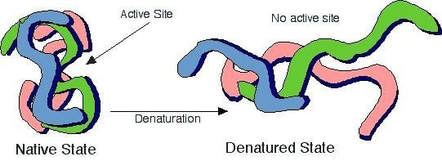
To denature an enzyme is to. Most enzymes are folded into a particular shape to function. Denaturation is a process in which enzymes lose their conformational structure due to application of external stress , excess heat or changes in ph. Enzymes can denature from various sources—organic solvents, heat, and ph changes among them.
Only the primary structure of protein remains. When enzymes denature, they are no longer active and cannot function. However extreme high temperatures can cause an enzyme to lose its shape (denature) and stop working.
1.3 thermodynamics of enzyme denaturation in thermodynamic terms, the intrinsic stability of an enzyme is governed by the difference in the free energies of the native and the denatured states (δ gd ). Enzymes have a certain temperature range at which they are maximally activated. This is positive because the native states of most enzymes are more stable than their corresponding denatured states, at room temperature.
Denaturation involves the breaking of many of the weak linkages, or bonds ( e.g., hydrogen bonds), within a protein molecule that are responsible for the highly ordered structure of. Depending on the situation, certain things can denature an enzyme. To denature an enzyme means to break bonds and linkages in an enzyme.
1.3 thermodynamics of enzyme denaturation in thermodynamic terms, the intrinsic stability of an enzyme is governed by the difference in the free energies of the native and the denatured states (δ gd ). Things that can denature an enzyme. You will learn why high temperatures can be harmful to your.
Keep reading to learn more about each of these things. This may include the breaking of pigment of the red blood cells that carry oxygen. These things include chemical solutions, high temperatures, and amino acids.
Changing the ph outside of this range will slow enzyme activity. This is positive because the native states of most enzymes are more stable than their corresponding denatured states, at room temperature. 1] it denatures the enzyme by uncoiling the protein.
To denature an enzyme is to aactivate the enzyme b change the protein structure. Digestion of food involves chemical reactions that break up large food molecules into their ‘building block’ components. To denature an enzyme means to break bonds and linkages in an enzyme.
When an enzyme becomes denatured, it has lost some of its original properties. Enzymes are normally in their tertiary structure. What causes an enzyme to be denatured?
Denaturation, in biology, process modifying the molecular structure of a protein. What happens when an enzyme is heated or. Each enzyme has an optimum ph range.
Extreme ph values can cause enzymes to denature. Enzyme structures unfold (denature) when heated or exposed to chemical denaturants and this disruption to the structure typically causes a loss of activity. What happens when an enzyme is heated or.
Protein folding is key to whether a globular protein or a membrane protein can do its job correctly. Denaturing can occur because of heat or from chemical reactions that have rendered the enzyme inactive. The 3° structure have pockets in which the substrate fits.
An organic solvent, like acetone, may creep in and rip and disrupt the hydrogen bonds that are between animo acid functional groups that affect the enzyme’s structure, and since structure dictates function, the enzyme’s function is altered. This may include the breaking of pigment of the red blood cells that carry oxygen. If you want to avoid a denatured enzyme, read on.